
Article by Victor Dinesen
The NXT Magazine: Transformations of Care
Abandoned industrial complexes in our cities have long been incubators for cultural environments to blossom. Artists, creatives, and niche communities have found refuge in the buildings and landscapes left behind by industry and disused government infrastructure. Low rents, freedom, and – dare I say – authenticity, lure in the odd and the fringe, those who cannot financially or socially compete within societal norms.
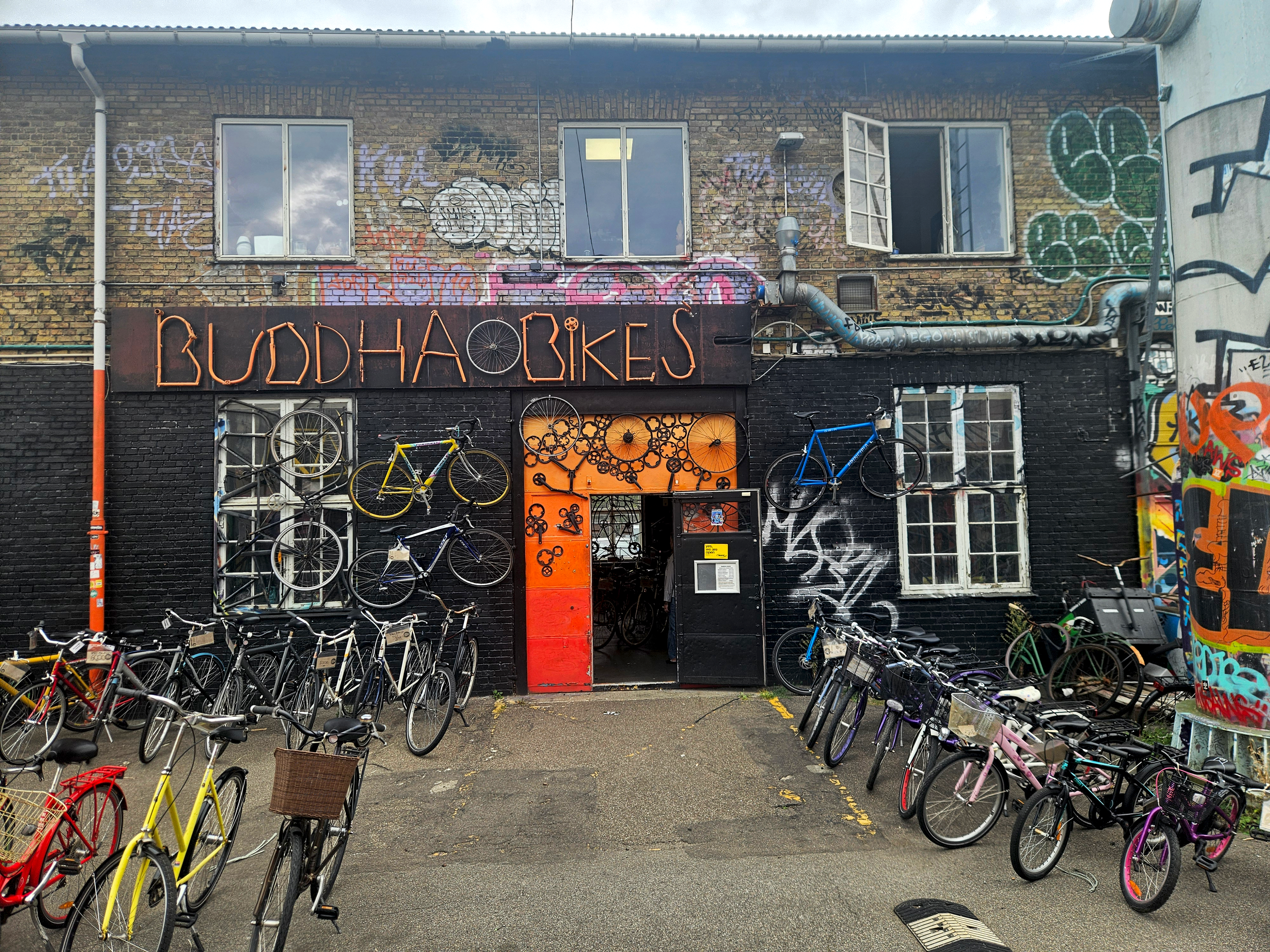
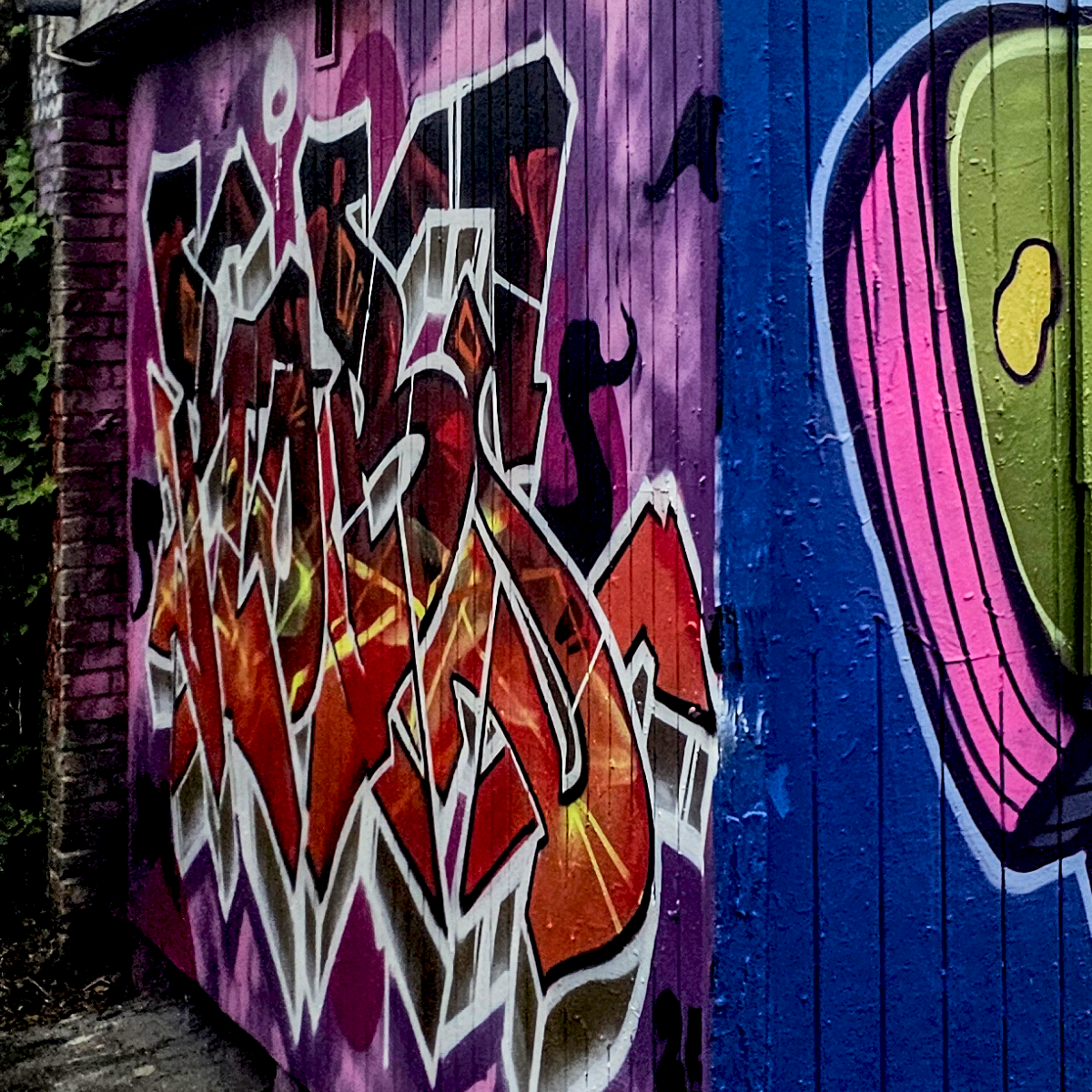
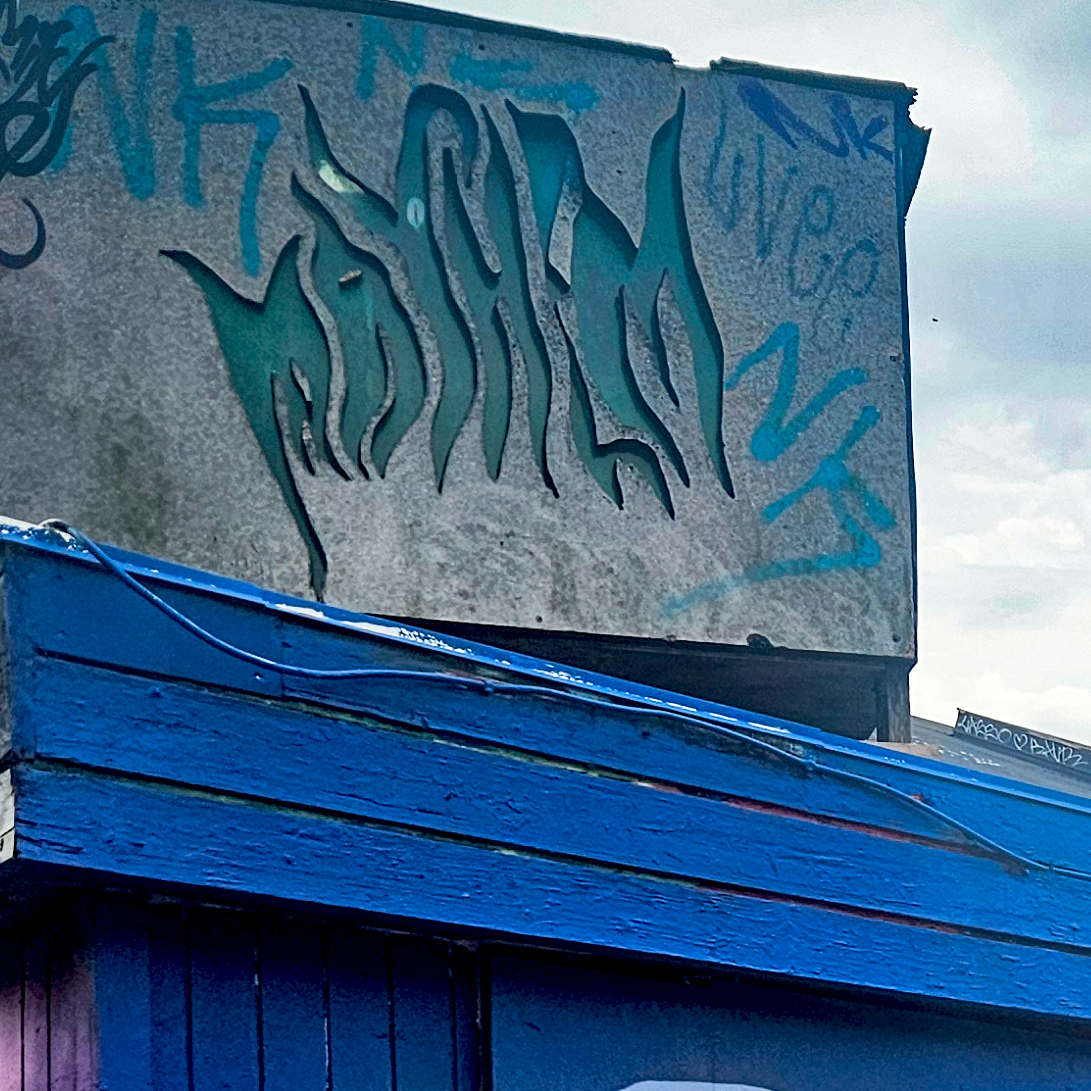
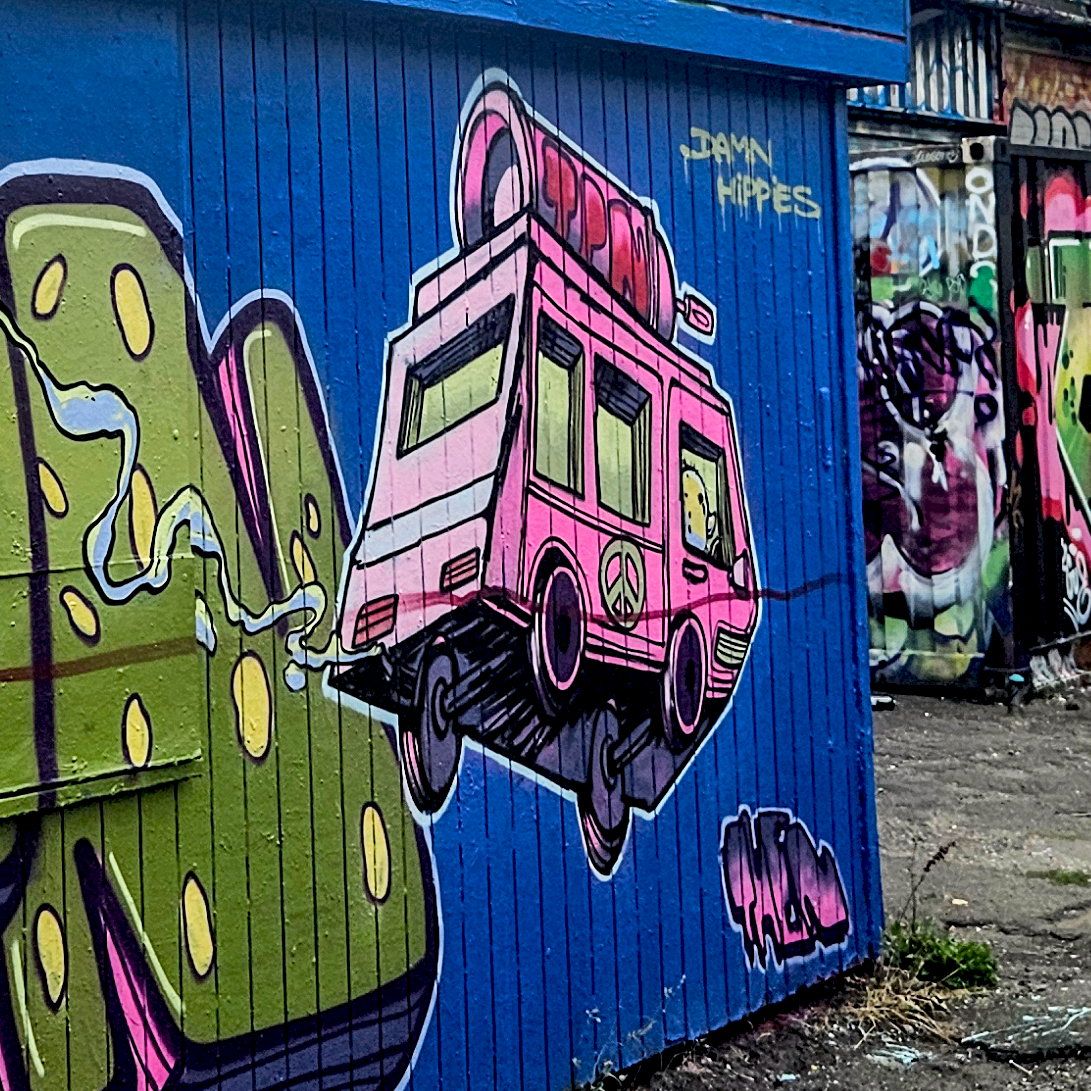
In safe havens such as KTK-grunden and Laplandsgadekvarteret in Copenhagen, self-governed communities have thrived outside the prying eyes of government authorities. These areas have enriched Copenhagen with long-lasting democratic communities such as Bolsjefabrikken, the extreme music venue Mayhem, sustainable socio-economic businesses such as Buddha Bikes, and artistic and niche studios like Tørreloft and Stenbroens MC. However, with the increasing scarcity of undeveloped urban property, these areas are becoming highly sought after by real estate developers. Under the threat of urban transformation, what will happen to the cultural communities these areas harbor – and how do we best care for them and the cultural, social, and socio-economic innovation they bring to our cities?
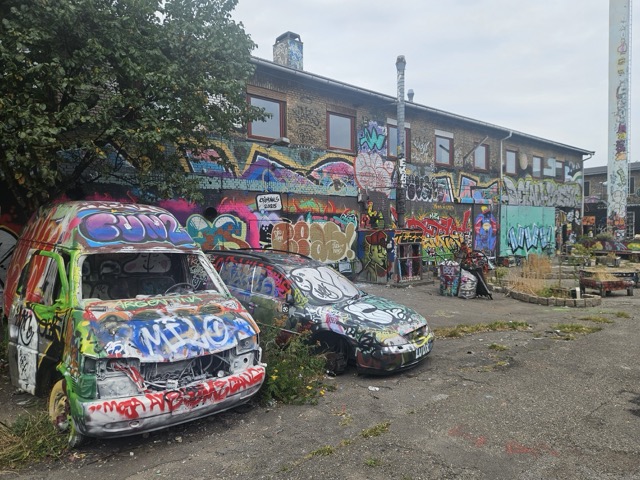
Photos: Victor Dinesen
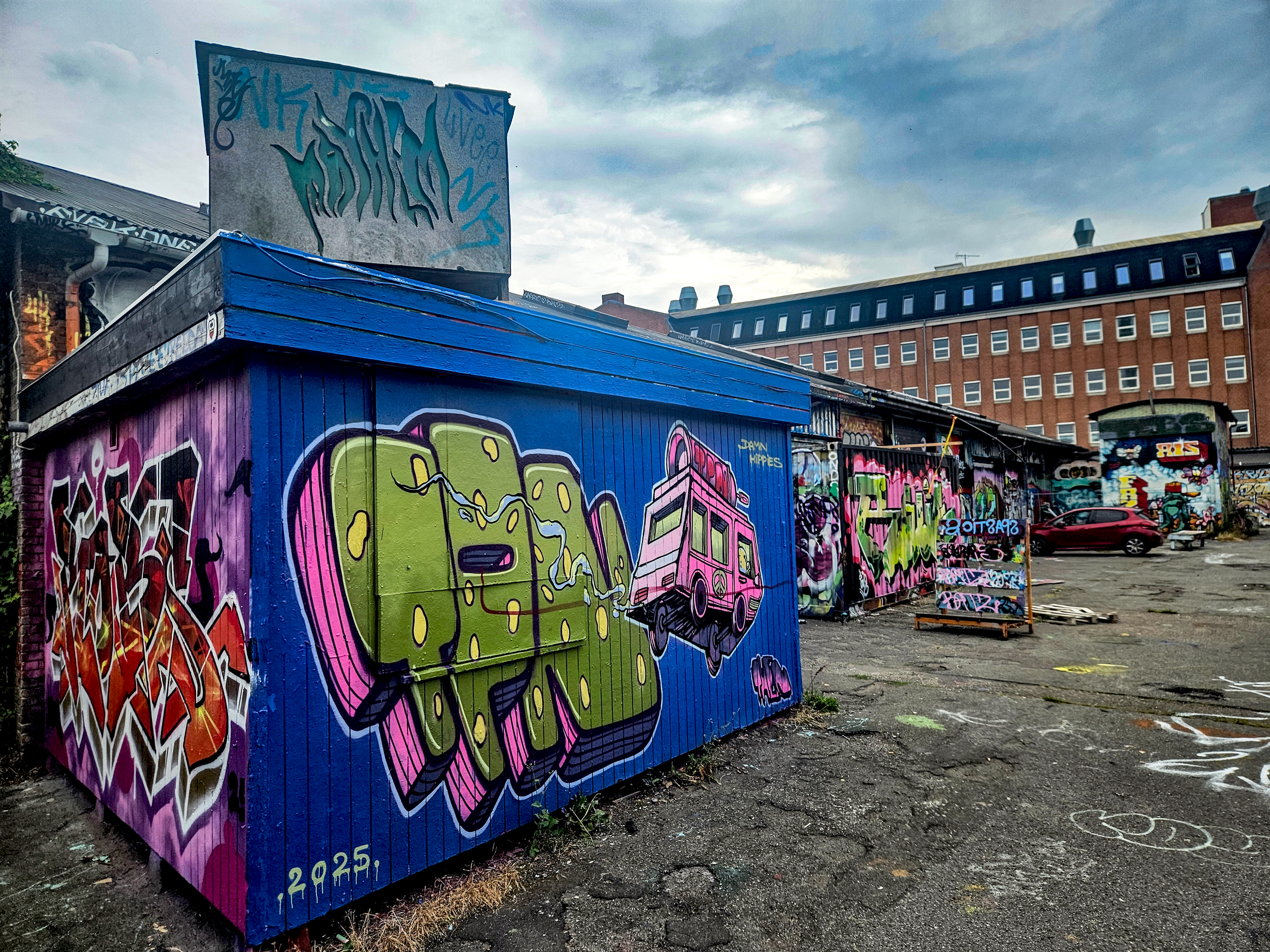
Conversations of care often circle around preservation and protection: that we need to preserve and protect environments as they are – or, in some cases, as they were – so they are not lost. The discussion is often reduced to a binary: either we actively protect and preserve cultural communities, or we lose them. This discourse is voiced both within cultural communities themselves and by municipal and government officials. While developmental pressure and lack of political prioritization are immediate threats to cultural communities, protective preservation policies can also be restrictive and isolationist.
The issue is that buildings or cultural communities affected by protective policies often, through those very policies, define what they are and who they are for. In doing so, they restrict their meaning and usage to specific segments of the public. What if someone is left out? On a political level, the majority typically rules, and in designing a cultural environment one risks leaving out the few, the odd, and the fringe in favor of the many. Are such policies truly the most beneficial way of caring for our cultural environments as a whole?
The UK-based American cultural geographer Caitlin DeSilvey has throughout her academic career – and most prominently in the book Curated Decay:
Heritage beyond saving (2017) – argued for a more open-ended approach to preservation and heritage. This approach is captured in her term postpreservation. A term that describes the practice of preserving objects, buildings, and landscapes simply by letting them be. Not by upholding a form and/or function as if frozen in time, but by allowing things to decay and thereby, potentially, transform.
Key examples of cases where authorities have resisted the urge to control the development of cultural communities do exist.

Photo: Jon Spangsvig
One such case is the old shipyard island Frederiksø in Svendborg. When the shipyard Svendborg Værft closed in 2001, the island of Frederiksø and its buildings were left largely empty and abandoned. Intense negotiations ensued over what should happen with the area, so heavily infused with maritime history and local identity. Should it become luxury real estate on the harbor front? Should it remain industrial? Should it perhaps become a cultural hub?
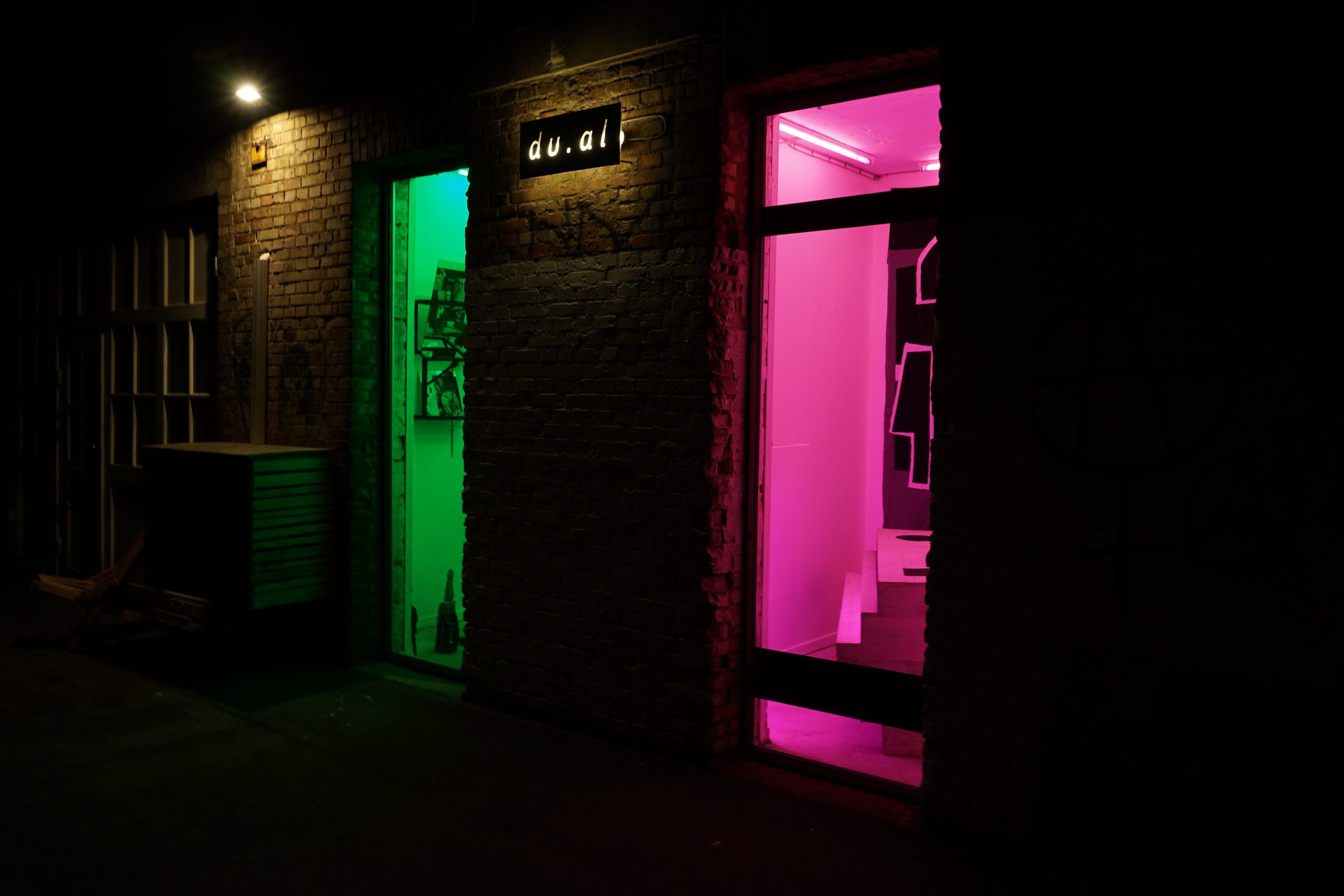
In the 2014 development plan, the City of Svendborg decided that the island, which still contained two of the three former shipyards, should host a combination of maritime industry and cultural initiatives. The city council then announced an open call for organizations, communities, businesses, and local actors to propose ideas for developing the abandoned industrial area. This process opened the area to both established and grassroots actors, as long as their ideas could be categorized as maritime- or culture-related – the odd and the fringe included. Some concepts prevailed and remain active today, such as the bar and venue Kammerateriet and the exhibition platform du.al, a continuation of the former Kunsthal Ved Siden Af, while others have since disappeared.

Fugas Have, Katrine Würtz Hansen og Nanna Katharina Jensen, 2018,
Photo: IDOART Agency
Uvæsen, Anders Benmouyal, Peter Rørbæk og Christian Bang Jensen, 2024, Photo: Nanna Katharina Jensen
Now, you may say this was not entirely a process of “letting it be” or DeSilvey’s postpreservation. And it is true: a decision was made to set a direction where maritime industry and cultural initiatives could co-exist. But from that point on, once the city council had gifted the empty buildings to various actors, they stepped back and allowed the communities themselves to govern their own activities and transform the island. The buildings were kept as they were, without major structural changes. In this regard, the municipality acted solely as an idealistic landlord – securing property but stepping back from governing the activities within.
It is rare for cultural communities and initiatives to be given lucrative property in an urban setting (especially in major cities) without being confined to majority culture and restricted use. Herein lies a profound form of care: one based on trust. Trust that communities can and will create initiatives, concepts, and businesses – some broad in scope, others more niche – while simultaneously preserving the history and identity already ingrained in the bricks and soil of the island. Maritime industry continues on Frederiksø, alongside several maritime-themed cultural initiatives. In that sense, the maritime history and existing communities of the island and city are preserved and cared for, while also being allowed to transform in collaboration with new initiatives and communities. The history and identity of what was lives on in the life of the new.
Furthermore, when such creative hubs are allowed to develop freely, their authentic cultural production often generates significant public interest and activity in their own and surrounding areas. This, in turn, contributes to a spillover effect of increased property values. Preservation and development can, therefore, co-exist on a holistic level. The challenge is to resist the urge to cash in on the rising property values of the cultural communities themselves – the very spaces generating that value. The true investment is long-term, with consideration for surrounding areas and the broader urban landscape.
Postpreservation is ultimately about letting go of control – both as communities and as governing authorities. It acknowledges, as DeSilvey insists, that meaning and value do not depend on material form, but are reciprocally given and conveyed back to us as stories and community anchors. It is heritage in the context of structural, political, and climate change. The world around us transforms – and so do our cultural and artistic communities. Sometimes, the greatest act of care is not in preserving structures as static monuments, but in supporting the communities that give them life and meaning – by providing space, and by allowing them simply to let it be.
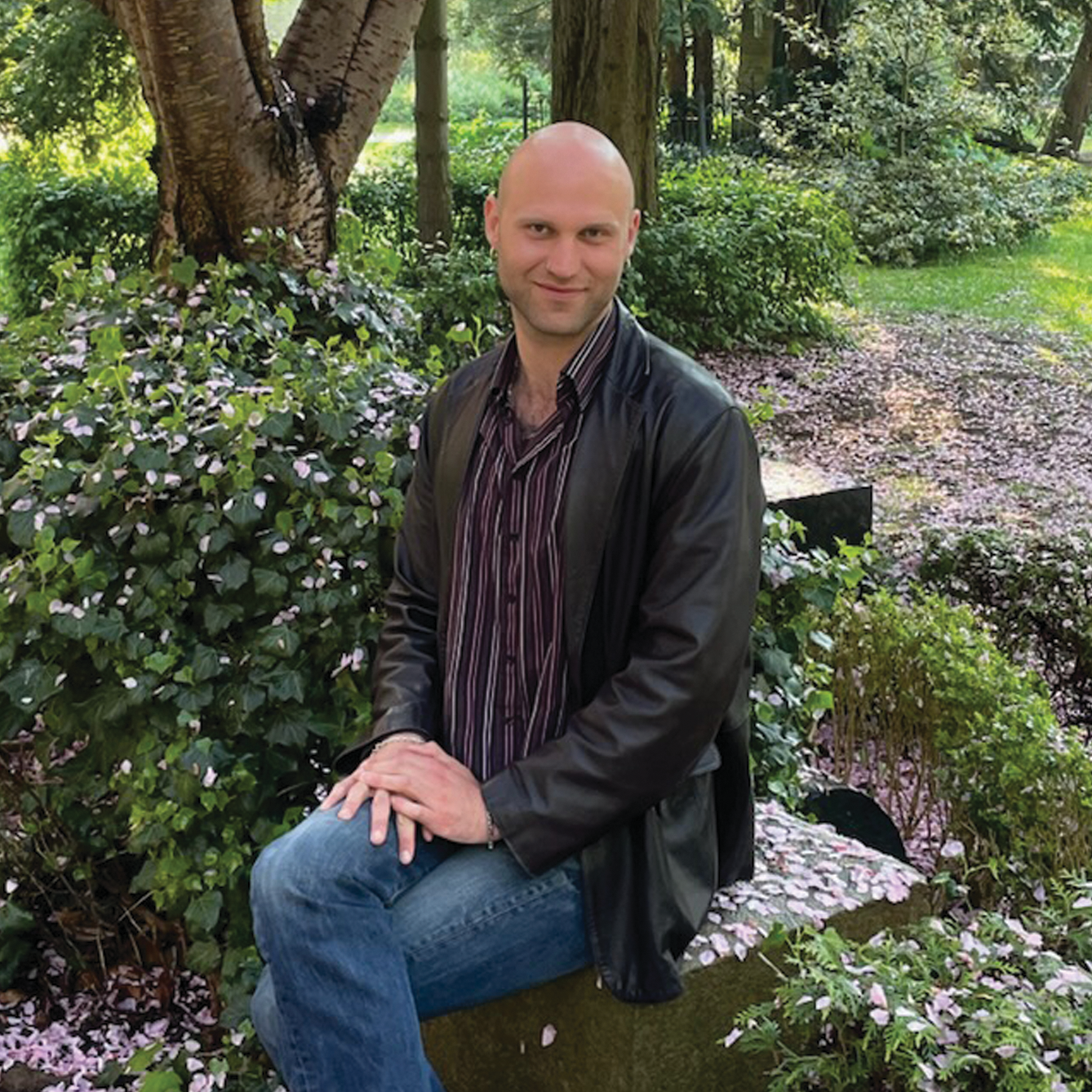
VICTOR TAO DINESEN
Cultural organizer, producer, and writer, works across arts, architecture, literature, and cultural politics. With a strong sense and heart for community, he is driven to create equal access to culture across gender, class, and ethnicity while nurturing dialogue and subcultures.

The magazine was published with the support of Statens Kunstfond.
Available at Kunsthal Charlottenborg, CAFx, Politikens Boghandel, Borups Højskole and BLADR, or via sales@nybrogadepress.com